
<<< I’M RUNNING A GIVEAWAY OF CATHY’S BOOK . . . SEE BELOW >>>
Comment below for a chance to win your choice of an ebook or a paperback—USA only.
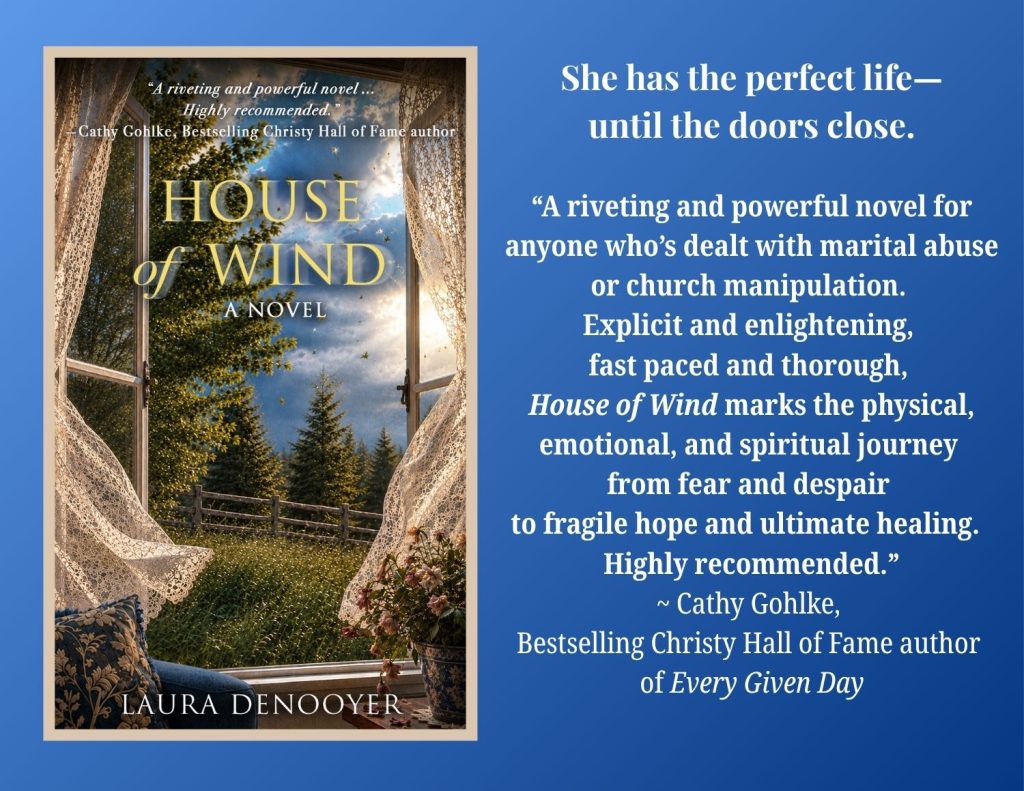
I’m so grateful to Cathy Gohlke for endorsing my novel, House of Wind. As a thank you, I’m featuring several of her books on the blog today.
Teaser for House of Wind:
Not all abuse leaves bruises.
Pastor’s wife Wendi Burkham has a life other women might envy.
But no one sees the truth. No one believes her.
How do you escape a prison no one else can see?
Back to Cathy . . .
Cathy’s newest release, Every Given Day, launched on the same day as House of Wind—but the resemblance ends there. Hers is historical fiction set in 1918 New York City, inspired by true events surrounding the discovery of insulin and its revolutionary role in treating diabetes.
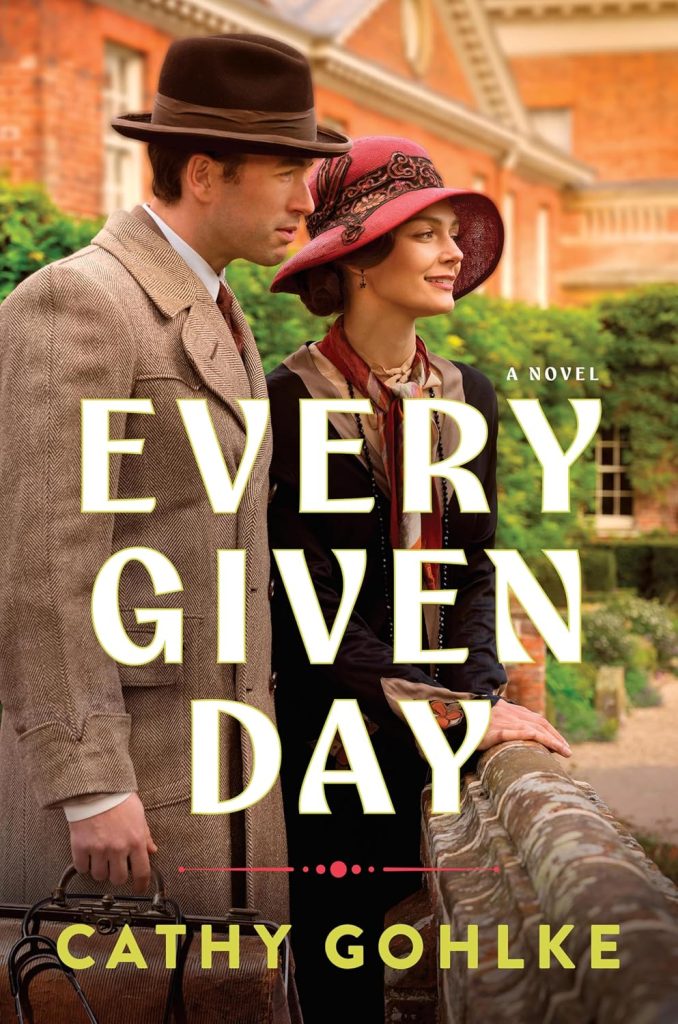
Blurb for Every Given Day
Inspired by true events, Christy Hall of Fame author Cathy Gohlke delivers a powerful new historical novel weaving together the discovery of insulin—a breakthrough that revolutionized modern medicine—and one woman’s brave fight to cling to her family and hope against unspeakable odds.
New York City, 1918. When schoolteacher Gwendolyn Armstrong learns of her sister’s worsening illness, she travels to Marion’s stately home to tutor her young niece and nephew, kept from school by the Spanish flu outbreak. Though the family lives in luxury, Gwen is wary of Marion’s sophisticated, often-absent husband, Russell, who once cast Gwen aside for her sister, leaving wounds that never fully healed.
As Marion’s health declines, a sense of foreboding settles over the family. Gwen observes strangers coming and going from Russell’s study at all hours, and her lingering distrust turns to suspicion that he is hiding something that could threaten the family’s safety and security. But when the deadly flu claims victims among the family and mansion staff, Gwen and her nephew, Alistair, are forced to accept terrible losses caused by the epidemic followed soon after by his own fatal diagnosis of juvenile diabetes.
When a compassionate doctor becomes both an advocate and friend, chasing down every promising medical development in the race for a cure, Gwen clings to each shred of hope. But as Russell’s clandestine dealings erupt into a shattering revelation, she must summon every ounce of courage she possesses. With Alistair’s life hanging in the balance, Gwen pleads for a faith she doesn’t yet possess, realizing she must surrender him to God and the possibility of a miracle that could save him and reshape her future in ways she never imagined.
*******************
My thoughts
The heroine, Gwendolyn Armstrong, is in a place many readers can probably identify with: she gives and gives to others, yet due to rejection and abandonment, she feels outside the realm of God’s notice or care.
From a young age, Gwen was taking care of others—first, her sister, and later her sister’s children. While tutoring her nephew and niece, she finds herself embroiled in the family’s health challenges, misplaced affections, her selfish brother-in-law’s apathy toward the children, and his shady dealings. As if that’s not enough, her nephew Alistair is struck by a wasting disease we now know as Type 1 diabetes. In the early 1920s, there was no viable treatment.
This novel definitely shows what living with diabetes during that time period was like. It was accompanied by despondency mixed with meager hope for a cure—a race against time. The story takes you through the dark places of the 1918 Spanish flu epidemic, prohibition, and harsh family dynamics, as well as through the internal darkness of Gwen’s heartaches, confusion, and doubts.
Gwen is an admirable heroine—mostly. She sometimes succumbs to bad choices, but considering the complex situation she is stuck in, and wanting the best for Alistair, her reasons make sense. It made me wonder if I would do the same thing in her shoes.
Glimmers of hope, kindness, and faith come in the form of Mrs. Barrie, caretaker of the Bennett manor, and the Scottish doctor who advocates for Alistair.
Through her numerous trials, Gwen is brought to the end of her rope and must decide if she can trust a God who might not bring about the happy ending she so desires, for the nephew she so dearly loves.

Other books of hers I’ve featured on the blog . . .

Blurb for Night Bird Calling
When Lilliana Swope’s beloved mother dies, Lilliana gathers her last ounce of courage and flees her abusive husband for the home of her only living relative in the foothills of No Creek, North Carolina. Though Hyacinth Belvidere hasn’t seen Lilliana since she was five, she offers her cherished great-niece a safe harbor. Their joyful reunion inspires plans to revive Aunt Hyacinth’s estate and open a public library where everyone is welcome, no matter the color of their skin.
Slowly Lilliana finds revival and friendship in No Creek—with precocious eleven-year-old Celia Percy, with kindhearted Reverend Jesse Willard, and with Ruby Lynne Wishon, a young woman whose secrets could destroy both them and the town. When the plans for the library also incite the wrath of the Klan, the dangers of Lilliana’s past and present threaten to topple her before she’s learned to stand.
With war brewing for the nation and for her newfound community, Lilliana must overcome a hard truth voiced by her young friend Celia: Wishing comes easy. Change don’t.
******************************
My thoughts on Night Bird Calling
In Night Bird Calling, Cathy shows the dangers and horrific outcomes of three kinds of abuse, all under the guise of Christianity: domestic abuse, religious abuse, and racism in America during the pre-World War II era, in southern Appalachia and elsewhere.
Check out my full review on my blog post (April 25, 2023).
******************************
Excerpt from Q & A about Night Bird Calling
What was your inspiration for writing Night Bird Calling? What’s your personal connection to the setting or situation?
Cathy: Years ago, I wrote a number of short stories based on some quirky characters in a fictional North Carolina foothills town called No Creek. I loved those characters, but to create a novel I needed an outside character who could see both strengths and foibles in my town folk and still care about them, still want to become part of their community, and who could tie their stories together.
For many years I’ve also wrestled with the idea of writing about the racial divide and abuse I saw growing up during years of the civil rights movement in the South, as well as domestic abuse and church oppression, things I experienced in my youth and young womanhood. Night Bird Calling is the marriage of all those experiences and stories.
In your “Note to the Reader” at the book’s end, you call attention to abuse of all kinds—physical, emotional, mental, and spiritual—especially in churches and marriages, even Christian ones. In Night Bird Calling, Lilliana endured much domestic abuse before she escapes from her husband. What led you to “champion the battle against oppression” (according to your website) in your fiction?
I grew up mostly in the South during years of the civil rights movement where I witnessed segregation, desegregation, racial oppression and abuse but also heroic stands against injustice and some hard-won changes. I learned that attitudes do not change just because laws change. Transformation of the heart is also needed. That is as true today as it was then.
As a young woman I ran away from an abusive marriage and an oppressive church. My journey toward emotional and spiritual healing took many years. I want women in similar situations to know that they are not alone, that God loves them so very dearly and that the condemnations of their oppressors do not come from Him.
I wrote Night Bird Calling not only for victims of abuse, but in the hope that readers might gain insight, sympathy and perhaps have empathy for those who’ve been abused or pushed down, that they might better understand and see creative ways they can help, ways they can be a voice for the voiceless or those needing someone to walk alongside them.
Each of my books in some way battles oppression. I believe we’re all created for a purpose and that our life experiences—the good and the bad—help develop our characters and guide our gifts to fulfill that purpose. Recognizing and battling oppression is what my life has taught me. Writing has been the gift to share that.
Some Christian publishers don’t care for novels that reflect the church poorly. So there’s a risk in having so-called Christian characters live hypocritical lives even while active in church rule. What kind of response do you get from readers for delving into these difficult places of abuse and oppression?
I wondered about that very thing as I wrote, but the result is that I’ve received an overwhelmingly earnest and positive response to this story and the issues it raises.
So many women have suffered church abuse at the hands of church leaders and domestic violence at the hands of husbands or fathers who claim to be Christian.
They’ve felt unique, alone, afraid, condemned by their abusers and sometimes by church leaders and feared they were abandoned by God. Most fear no one would believe them if they reported their abuser, inside the church or outside the church.
Women have longed for someone to speak out, to name their pain, and to ask if God really loves and cares for them. The answer is a resounding YES, God loves and cares for them and He never condones abuse.
I’ve received more emails and messages in appreciation for this novel than any I’ve penned. I think that for some readers it’s been the opening of a window on a long-kept secret for which they’ve felt great pain and shame. The pain is certainly theirs, but the shame does not belong to them.
You can read the rest of the Q & A here.
***************************
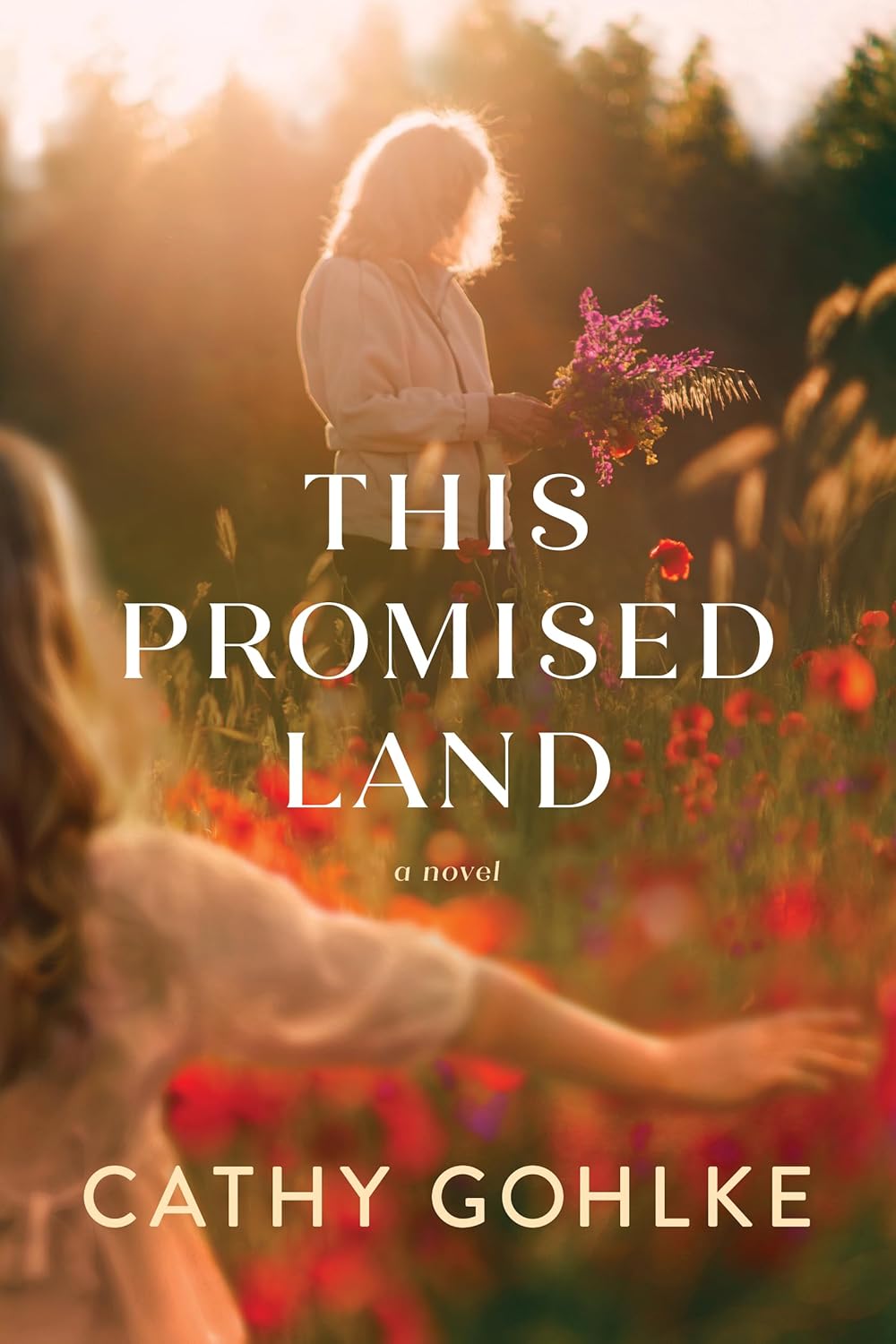
Blurb for This Promised Land
When she ran away as a young war bride, she was cut off from her family forever . . . or so she believed. Decades later, maybe the only way to move on is to go home.
Ginny Pickering Boyden can’t wait for her last day of work, when she’ll be free to pursue a lifelong ambition through a master gardener apprenticeship. But an unexpected letter brings shocking news: Ginny has inherited her family’s Christmas tree farm, a dream she’d long ago given up.
Facing a past laced with memories and lies she’s tried hard to bury, a furious nephew who thought the land would be his, and a failing farm with a mountain of debt, Ginny returns to New Scrivelsby, Virginia, determined to sell. But when her younger nephew, a Vietnam vet, appears with demons of his own and three young children in tow, Ginny isn’t sure what to do. Too much of their story reminds Ginny of her own. She has little hope, however, that three generations of warring Pickerings can set aside their differences to restore all that’s broken, both on the land and in their hearts.
Set against the beautiful and rugged landscape of the Blue Ridge Mountains, This Promised Land is the story of a daughter’s longing to make sense of the past and of the unbreakable bonds that bring prodigals home.
*******************************
My thoughts on This Promised Land
I loved these characters and the way the Prodigal Son motif was illustrated from all angles through the family members’ respective situations. Complicated family dynamics grew out of pain, shocking revelations, failed expectations, and/or rejection.
You can read my full review on the blog here (November 4, 2025)
**********************
Excerpt from Q & A about This Promised Land
What inspired you to write a story so connected to the themes of the Prodigal Son parable?
My brother loaned me his copy of Timothy Keller’s book, The Prodigal God. Reading it may have been the first time I recognized myself in the role of the wayward and desperate prodigal son, as well as the older, jealous, judgmental, and unforgiving son from Jesus’ parable in Luke 15.
Keller’s book woke in me the realization that we all hold traits of both brothers, and a heart’s desire to remain neither but to become more like the running father. I wanted to share the roles of each of those characters from Jesus’ parable in a story that shows we are all composites of both brothers at one time or another, but that we all have the opportunity to seek forgiveness and become more like the running father.
Your story demonstrates that well. What is your personal connection to the setting?
The setting for my story was inspired by Milltown Creek Tree Farms, a Lovettsville, Virginia family-owned Christmas tree farm set amid the beautiful rolling hills of Virginia near me. We cut and buy our annual Christmas tree from this farm—a trek over hills we always look forward to.
Read the rest of the Q & A here.
****************************
<<< I’M RUNNING A GIVEAWAY OF CATHY’S BOOK . . . SEE BELOW >>>
Comment below for a chance to win your choice of an ebook or a paperback—USA only.
Here are a few more of Cathy’s novels . . .
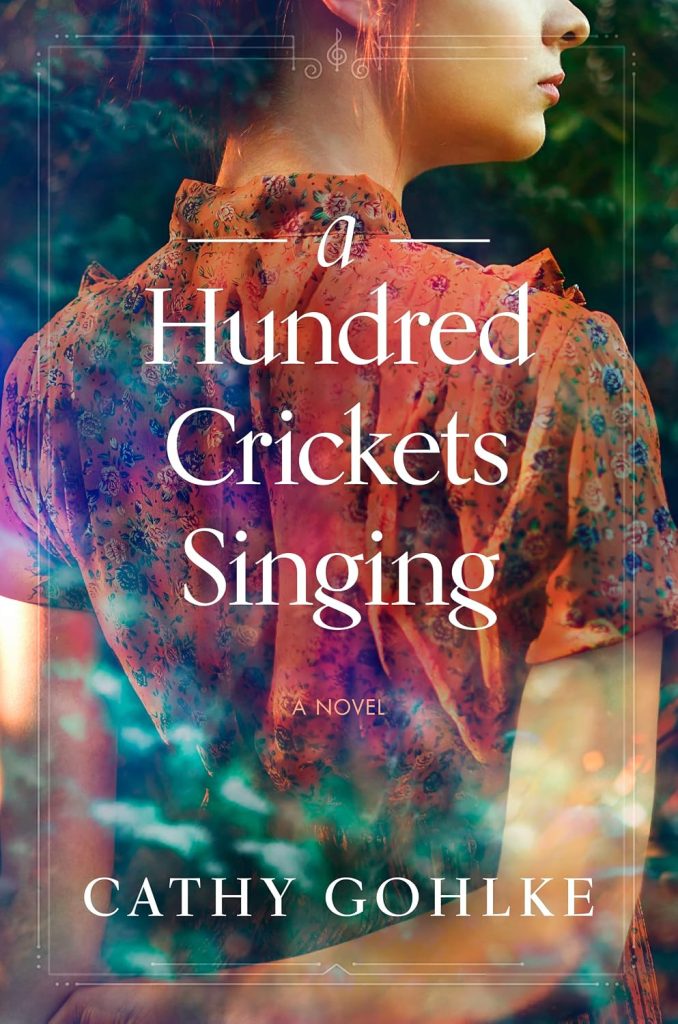
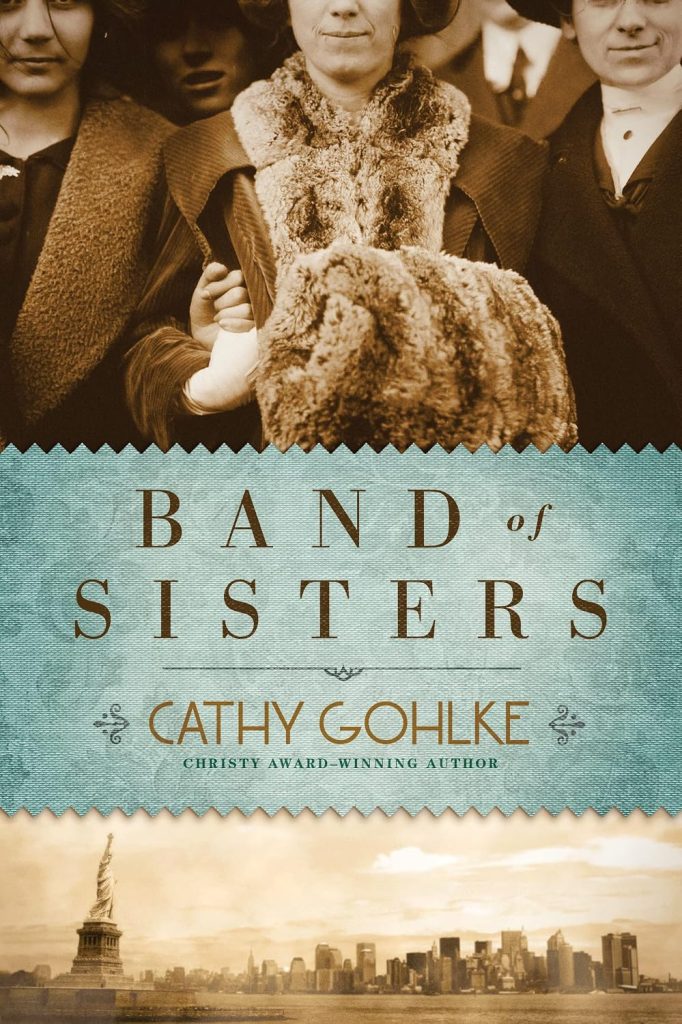
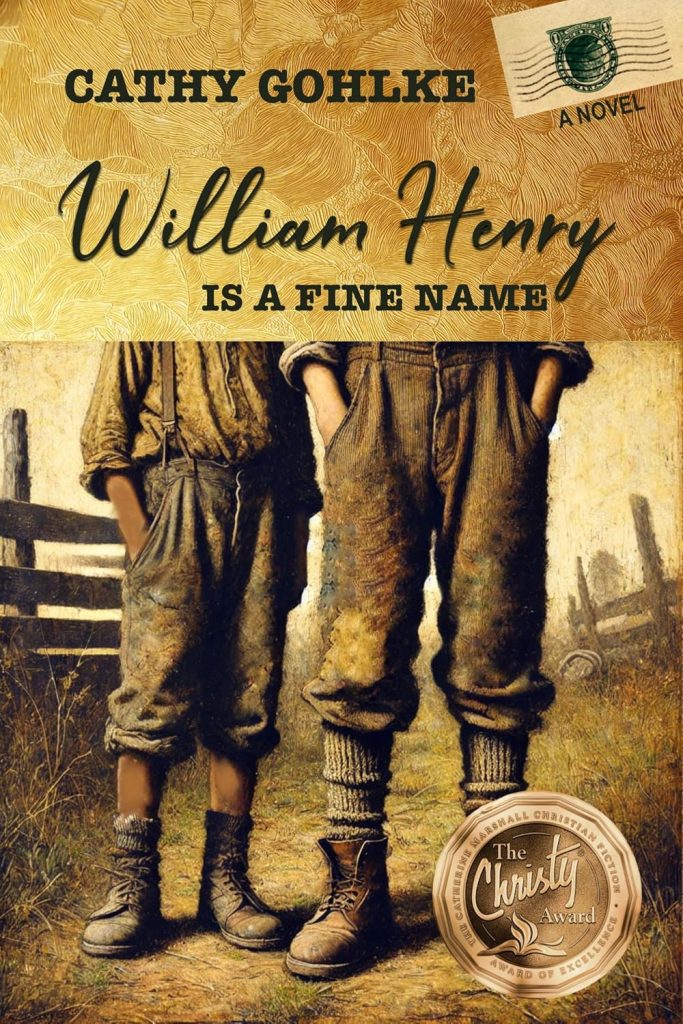
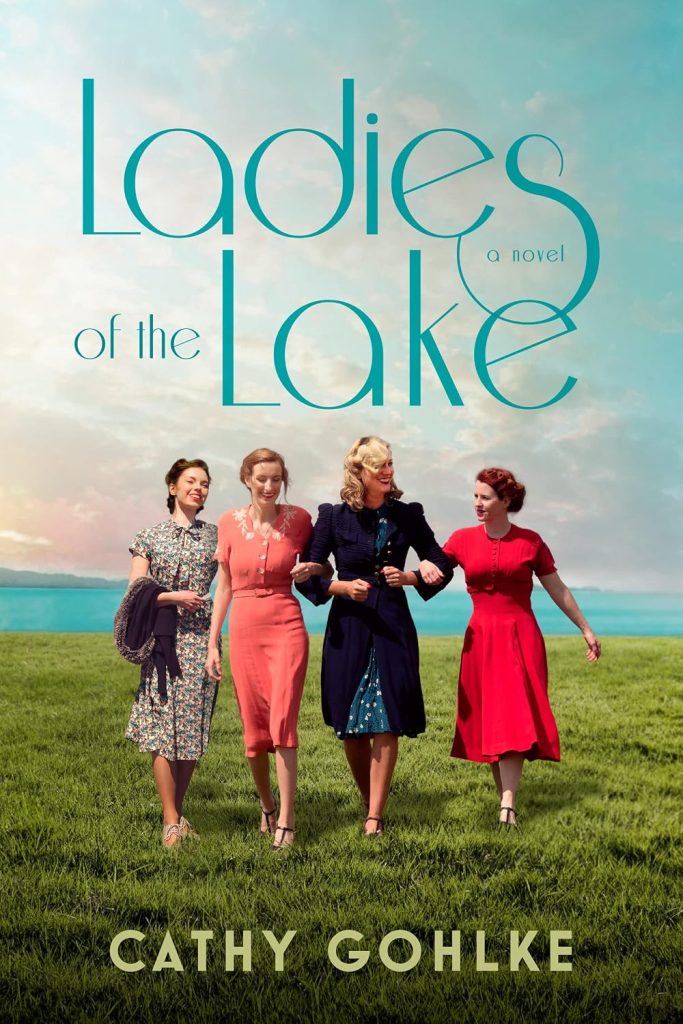
And this isn’t all! Check out the rest of Cathy’s books on Amazon and her website.
<<< I’M RUNNING A GIVEAWAY OF CATHY’S BOOK . . . SEE BELOW >>>
Comment below for a chance to win your choice of an ebook or a paperback—USA only.
***************************
Back to Laura . . . On a similar note . . .
Regarding another tough topic … The Broken Weathervane deals with mental illness. It’s a dual timeline fiction about family dynamics in a small town Midwest (Wisconsin) setting. Two co-workers seek the same information. One wants to publish it; the other has good reasons to keep it hidden. The timeline alternates between 2015 and the 1950s. Check out the reviews and book trailer here.
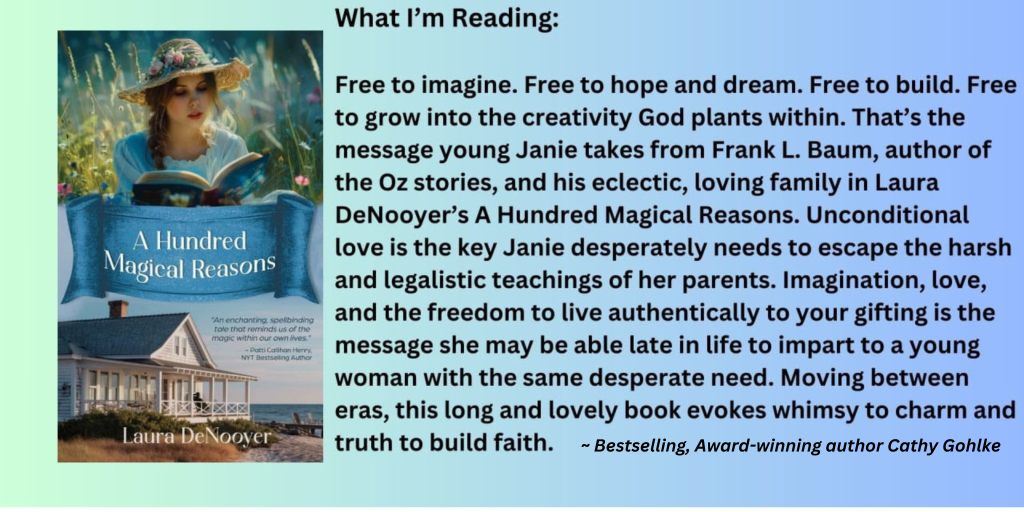
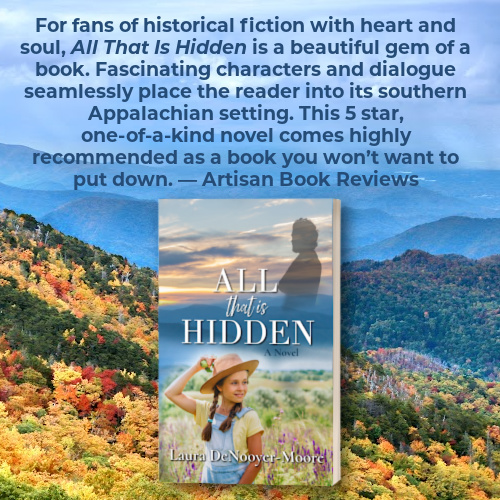
If you like historical fiction, you might enjoy A Hundred Magical Reasons. This story spotlights L. Frank Baum, author of The Wonderful Wizard of Oz, his friendship with a young girl, and his impact through the decades. Set in Holland, Michigan, this dual timeline novel alternates between 1980 and the early 1900s. Read more and watch the book trailer here.
Here’s what Cathy had to say about A Hundred Magical Reasons . . .
I invite you to join my monthly newsletter for writing updates, freebies, and giveaways. Sign up and I’ll send you a prequel and 7 Oz-inspired recipes: StandoutStoriesNewsletter.com
*************************
Cathy Gohlke bio:
Bestselling, Christy Hall of Fame, and Carol and INSPY Award-winning author, Cathy Gohlke writes novels steeped with inspirational lessons, speaking of world and life events through the lens of history. She champions the battle against oppression, celebrating the freedom found only in Christ. When not traveling to historic sites for research, she and her husband of 40 years, Dan, divide their time between Northern Virginia and the Jersey Shore, enjoying time with their grown children and grandchildren. Visit her website at www.cathygohlke.com, and find her on Facebook at CathyGohlkeBooks; on Bookbub (@ CathyGohlke); and on YouTube, where you can subscribe to Book Gems with Cathy Gohlke for short videos of book recommendations.
**********************
Join me next time for a visit with author Danielle Grandietti.
Meanwhile, have you read Every Given Day or any of Cathy Gohlke’s novels?
Answer in the comments below for a chance to win your choice of an ebook or a paperback—USA only.
Ever reading,
Laura
Sign up for my monthly newsletter and receive the 7 free Oz-inspired recipes: StandoutStoriesNewsletter.com




Thank you for the giveaway!
Thanks for dropping by, Bridgette!
Wow. Cathy’s book sounds intense. We look around and some think that the world has gone mad. It has, but the madness is only manifesting itself a little differently in each ear. Sin doesn’t quit and hurt abounds. So glad Cathy seems to assign grief and hurt a secondary role, and hope the primary one.
Yes, the novel is intense! Sin doesn’t favor one generation over another, right? The hope/faith thread is what makes the story easier to read, in that regard.
My book club has read Cathy’s books: Band of Sisters, William Henry is a Fine Name,
Until We Find Home, and Night Bird Calling.
Your book club sounds like true Cathy Gohlke fans!
I just finished listening to Every Given Day this past weekend. I wasn’t happy with how long Gwen considered a relationship with Russell, cad that he was, but I enjoyed all the other aspects of this story. Very informative and super emotional. I highly recommend it! No need to add me to the drawing since I’ve already “read” the book. Thanks.
Thanks for sharing your thoughts, Deena. I agree with everything you said. I’m glad you enjoyed the story despite that terrible Russell. 🙂
Cathy Gohlke is a new author to me. Eager to read her books!
I hope you get a chance soon to do a deep dive into Cathy’s books, Melissa! This is a good one to start with.